Don’t Let the Heat Beat You: Recognizing Heat Cramps, Heat Exhaustion, and Heat Stroke
As the Fourth of July weekend approaches, Naples, Florida, transforms into a vibrant hub of outdoor celebrations, beach outings, and community parades. However, beneath the festive atmosphere lies a significant clinical reality: the Southwest Florida summer heat is not merely uncomfortable: it is potentially lethal. According to recent data from the Centers for Disease Control and Prevention (CDC) and the Florida Department of Health, Florida consistently ranks among the highest in the nation for heat-related emergency department visits, with over 5,800 residents seeking urgent care for heat-related illnesses in 2022 alone.
At the practice of Dr. Paul D. Baumgardner, we view health through a lens of total-body wellness and prevention. Understanding the nuances of heat stress is not just a matter of comfort; it is a critical safety requirement for every Naples resident.
The Paramedic’s Perspective: A Front-Line View of Heat Crisis

What distinguishes our approach to patient care is the unique background of Dr. Paul D. Baumgardner. Before becoming a Palmer College-trained chiropractor, Dr. Baumgardner served for 14 years as a state-licensed Paramedic. Throughout his tenure in emergency services, he operated on the front lines of Florida’s summer crises, treating hundreds of cases ranging from minor dehydration to life-threatening heat stroke.
"In the back of an ambulance, the transition from 'feeling tired' to a full-blown medical emergency can happen in a matter of minutes," Dr. Baumgardner explains. "I have seen the literal difference between someone who simply needs a liter of water and someone who needs an immediate IV and an ice-water bath in the ER. My goal is to ensure you never reach that critical point."
This emergency medicine foundation allows us to provide a more comprehensive, evidence-based level of care. We recognize that heat illness is a progressive spectrum, and early intervention is the key to preventing long-term systemic and musculoskeletal damage.
Understanding the Spectrum of Heat Illness
Heat-related illnesses are generally categorized into three levels of severity: heat cramps, heat exhaustion, and heat stroke. Recognizing where you or a loved one falls on this spectrum is vital for determining whether to move to the shade or call 911.

1. Heat Cramps: The Early Warning Sign
Heat cramps are the mildest form of heat illness but serve as a critical warning that your body’s thermoregulation is struggling. These are painful, involuntary muscle spasms that typically occur during or after intense physical activity in high heat.
- Key Symptoms: Painful spasms usually affecting the calves, thighs, abdomen, or shoulders; heavy sweating; and general fatigue.
- The Clinical Cause: These cramps are often the result of significant electrolyte depletion: specifically sodium and chloride: lost through sweat.
- Urgent Action:
- Stop all physical activity immediately.
- Move to a cool, shaded, or air-conditioned environment.
- Gently stretch and massage the affected muscle group.
- Rehydrate with water or an electrolyte-rich sports beverage.
2. Heat Exhaustion: The Systemic Struggle
Heat exhaustion occurs when the body loses excessive amounts of water and salt, making it difficult to maintain a safe internal temperature. If left untreated, heat exhaustion can rapidly progress to heat stroke.
- Key Symptoms: Heavy sweating; cool, pale, and clammy skin; a fast but weak pulse; nausea or vomiting; dizziness; and a throbbing headache.
- The Clinical Distinction: Unlike heat stroke, a person with heat exhaustion is usually still alert, though they may feel faint or unsteady.
- Urgent Action:
- Loosen or remove excess clothing.
- Apply cool, wet cloths to the skin or take a cool bath.
- Sip water slowly if not vomiting.
- If symptoms do not improve within 30–60 minutes, or if vomiting persists, seek medical evaluation immediately.
3. Heat Stroke: The Life-Threatening Emergency
Heat stroke is a medical emergency. This occurs when the body's cooling system fails completely, and the core body temperature rises above 104°F (40°C). At this temperature, cellular damage to the brain, heart, and kidneys begins almost immediately.
- Key Symptoms: Confusion, slurred speech, agitation, seizures, or loss of consciousness; hot, red skin (which may be dry or intensely sweaty); and a rapid, strong pulse.
- The Critical Rule: If there is any altered mental status or confusion, call 911 immediately.
- Urgent Action:
- Call emergency services without delay.
- Move the person to a cool area.
- Begin rapid cooling: use ice packs on the neck, armpits, and groin, or douse the person with cool water.
- Do NOT give the person anything to drink if they are confused or unconscious, as this creates a significant choking hazard.
The Chiropractic Connection: How Heat Affects Your Spine
Many patients are surprised to learn that heat illness and dehydration have a direct impact on spinal health. As a holistic practice, we emphasize the "structural" cost of the Naples summer.
Dehydrated Discs and Joint Compression
Your intervertebral discs are composed of approximately 70% to 90% water. These discs act as the shock absorbers for your spine. When you are severely dehydrated: a state that often precedes heat exhaustion: these discs lose water and "shrink" in height.
- Reduced Shock Absorption: Thinner discs provide less cushioning, increasing pressure on the spinal nerves and facet joints.
- Increased Stiffness: Dehydration thickens the synovial fluid (the lubricant) in your joints, leading to increased friction and mechanical "locking."
- Muscle Guarding: The intense muscle spasms associated with heat cramps can pull the spine out of alignment. This creates "antalgic" postures where the body leans to one side to avoid pain, leading to acute back or neck strain that requires professional adjustment.
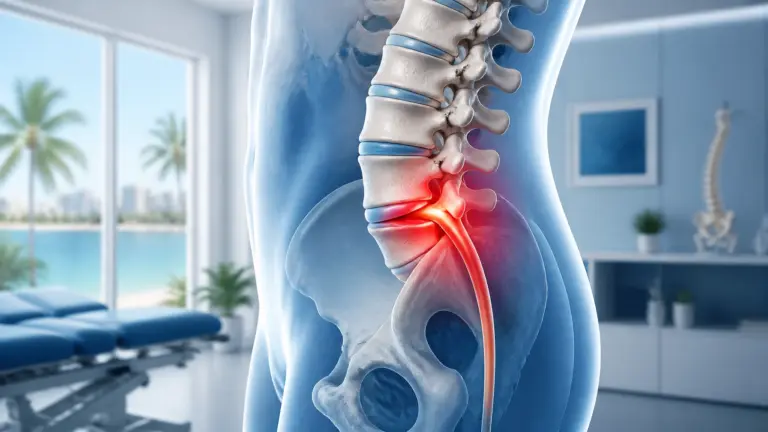
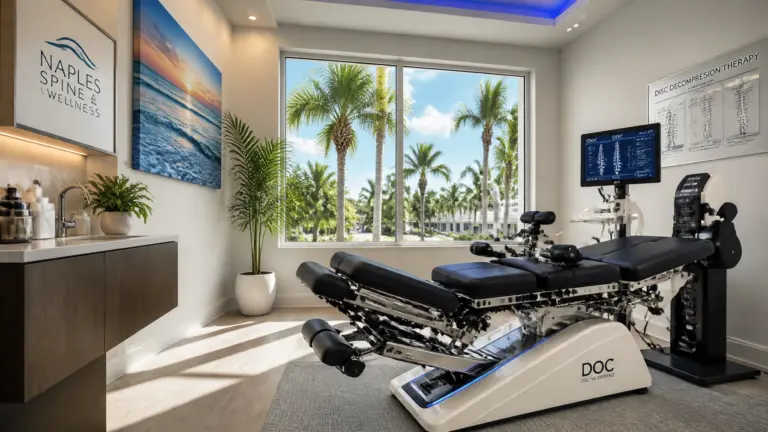
For those suffering from chronic back pain or disc issues, the summer heat can exacerbate these conditions significantly. This is why we often recommend Non-Surgical Spinal Decompression for patients who experience increased stiffness during the warmer months.

Your Summer Safety Checklist
To protect your musculoskeletal system and your overall health this July, we recommend the following professional guidelines:
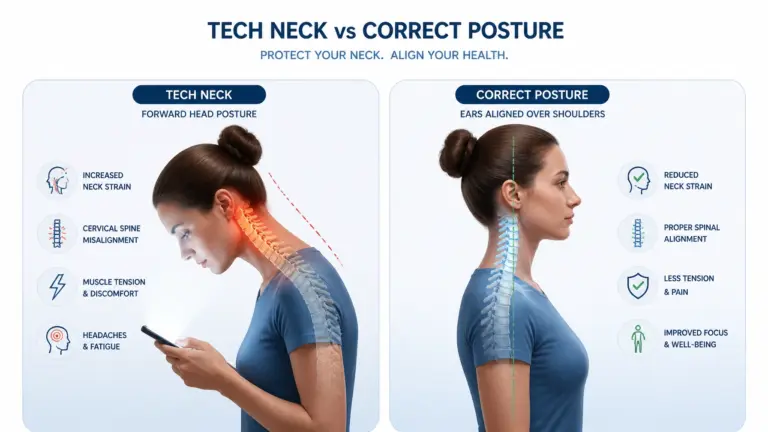
- Tailored Hydration: Don't wait for thirst. Aim for consistent water intake throughout the day. For more details on spotting the early signs of fluid loss, read our guide on 7 Signs You’re Dehydrated and How It’s Wrecking Your Posture.
- Strategic Timing: Plan outdoor festivities for early morning or late evening. Avoid peak sun hours (10:00 AM to 4:00 PM) when the heat index is highest.
- Appropriate Attire: Wear light-colored, loose-fitting, and moisture-wicking clothing to allow for effective evaporative cooling.
- Electrolyte Balance: If you are sweating heavily, water alone may not be enough. Supplement with electrolytes (sodium, potassium, magnesium) to prevent the neuromuscular excitability that leads to heat cramps.
Comprehensive Care in Naples, Florida
At the office of Dr. Paul D. Baumgardner, we believe that informed patients are healthy patients. Whether you are recovering from a summer sports injury or seeking to optimize your spinal health through manual treatment and nutritional counseling, we are here to provide expert, evidence-based care.
If you have experienced significant muscle cramping, persistent stiffness, or back pain following outdoor activities, do not wait for the symptoms to worsen. Our unique dual-expertise in emergency care and chiropractic precision ensures you receive the most thorough assessment available in Naples.
Contact us today to schedule your consultation:
Dr. Paul D. Baumgardner DC
671 Goodlette Rd, Suite 160
Naples, FL 34102
Phone: 239-793-3200
Website: pauldbaumgardnerdc.com

References:
- Florida Policy Institute (2023). Analysis of CDC Heat-Related Illness Data 2018-2022.
- Florida Department of Health. Environmental Health – Heat-Related Illness Statistics.
- Mayo Clinic. (2024). Heat exhaustion and heatstroke: Symptoms & Causes.
- Cleveland Clinic. (2024). Heat Cramps: Symptoms, Treatment, and Prevention.
- Palmer College of Chiropractic. The Role of Hydration in Spinal Disc Health.